For the last two years, most AI in CRM has been about summaries — a neat paragraph at the top of a case or an account. Useful, but it doesn’t change how an organisation operates.
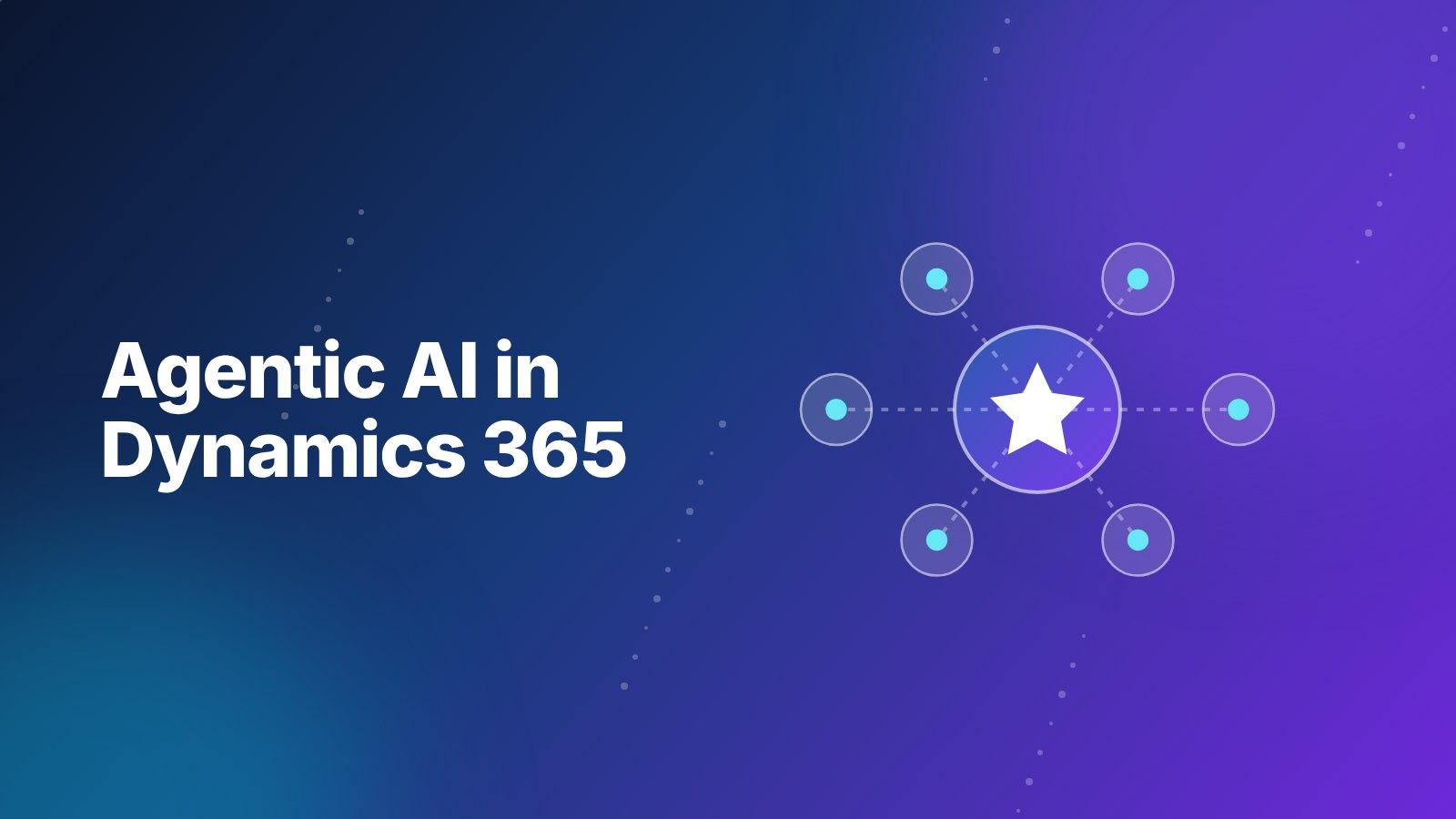
Agentic AI is different. An agent built in Copilot Studio can read from Dataverse, reason about what it finds, and take action: create a follow-up task, draft a customer email, open a service request or call an API into a downstream system.
Where agents earn their keep
Across the CRM programmes we work on, three patterns deliver value quickly:
- Account manager preparation. Before a customer meeting, an agent pulls together recent orders, open cases, pipeline and products held into a briefing — and suggests the conversation to have.
- Service triage. Incoming complaints and requests are classified, enriched with customer context and routed to the right queue with a draft response.
- Back-office follow-up. Agents chase missing documents, update records and nudge owners when SLAs are at risk.
Governance is the real project
The technology is the easy part. The hard questions are about control:
- What data can the agent see, and does it respect existing security roles?
- Which actions need a human to approve?
- How do you evaluate quality before and after go-live?
- Where are the audit logs, and who reviews them?
We recommend treating every agent like a new member of staff: a clear job description, limited permissions to begin with, supervision, and a review after the first month.
Where to start
Pick one process with a clear owner and a measurable outcome, ship an agent to a small group within a few weeks, and measure the time saved. That evidence will do more for your AI programme than any strategy deck.
Our AI & Copilot and Dynamics 365 CRM teams can help you pick that first process and ship it safely.